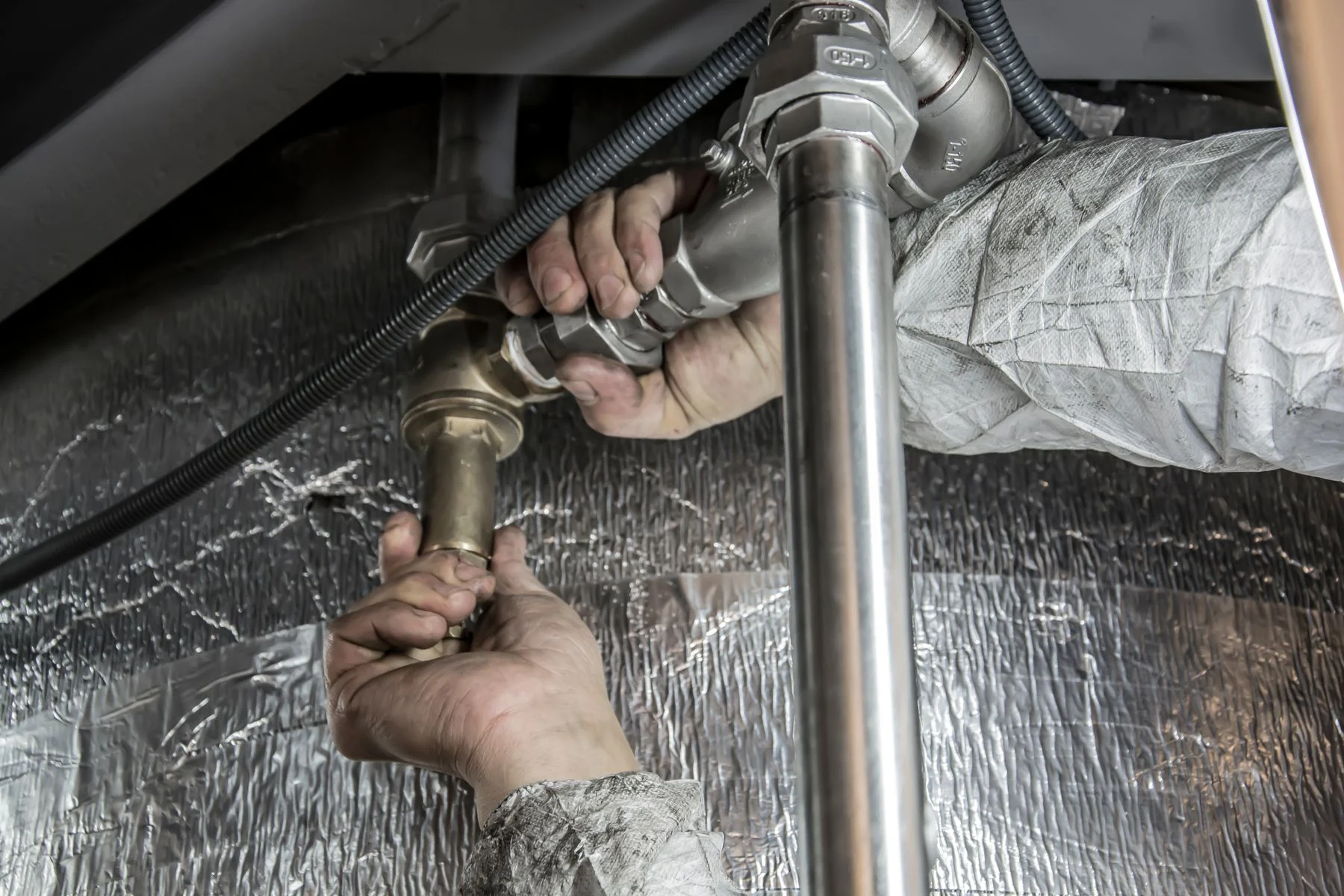
Help with leaks,
drains and hot water.
Tell us what has gone wrong and where. We can discuss the repair and agree what needs doing before work starts.
- Describe the problem
- A short form covers what matters.
- Agree the scope
- What will be done, set out first.
- Review the result
- The job ends with a look at the finish.
Start from the problem
you can see.
Choose the service closest to your problem. You can read what it covers and add it to the sample enquiry.
Leaks & repairsDrips, bursts, failing joints
A drip under the sink might need a new washer, a valve or a section of pipe. First we find where the water is coming from. After the repair, we check the connections and test for leaks.
You might notice: a stain that grows after showers, a hiss behind a wall, a tap that never quite shuts off.
In scope: tracing the leak, replacing washers, valves or pipe sections, and pressure testing the repair.
Blocked drainsSlow water, smells, overflows
If a sink or shower drains slowly, the blockage may be further along the pipe than you can see. We check where it is, clear it and run water through to make sure the drain is working.
You might notice: water that gurgles as it drains, a smell around the plughole, water backing up in an outside grate.
In scope: clearing blocked sinks, showers and outside drains, and checking that the pipe runs freely afterwards.
Hot waterCylinders, heaters, controls
If the water stays cold or the heater keeps cutting out, tell us what you have noticed. The heater, controls and valves need checking before deciding which part to repair or replace.
You might notice: water that runs lukewarm, a heater that cuts out, a tank that refills slower than it used to.
In scope: diagnosis and repair of water heaters and cylinders, replacement of failed valves and controls.
Bathrooms & fittingsTaps, basins, showers, WCs
Replacing a tap or refitting a bathroom includes the pipework behind the fittings. We check the supply and waste connections, fit the new parts and test them before finishing.
You might notice: a tap past saving, a shower on its way out, or a refit that has been waiting for the right time.
In scope: fitting taps, basins, showers and WCs, and renewing the supply and waste connections behind them.
The work,
up close.
A few details worth checking: the pipe connections, the seals around fittings and whether water drains properly. These stock photographs illustrate the work described here.
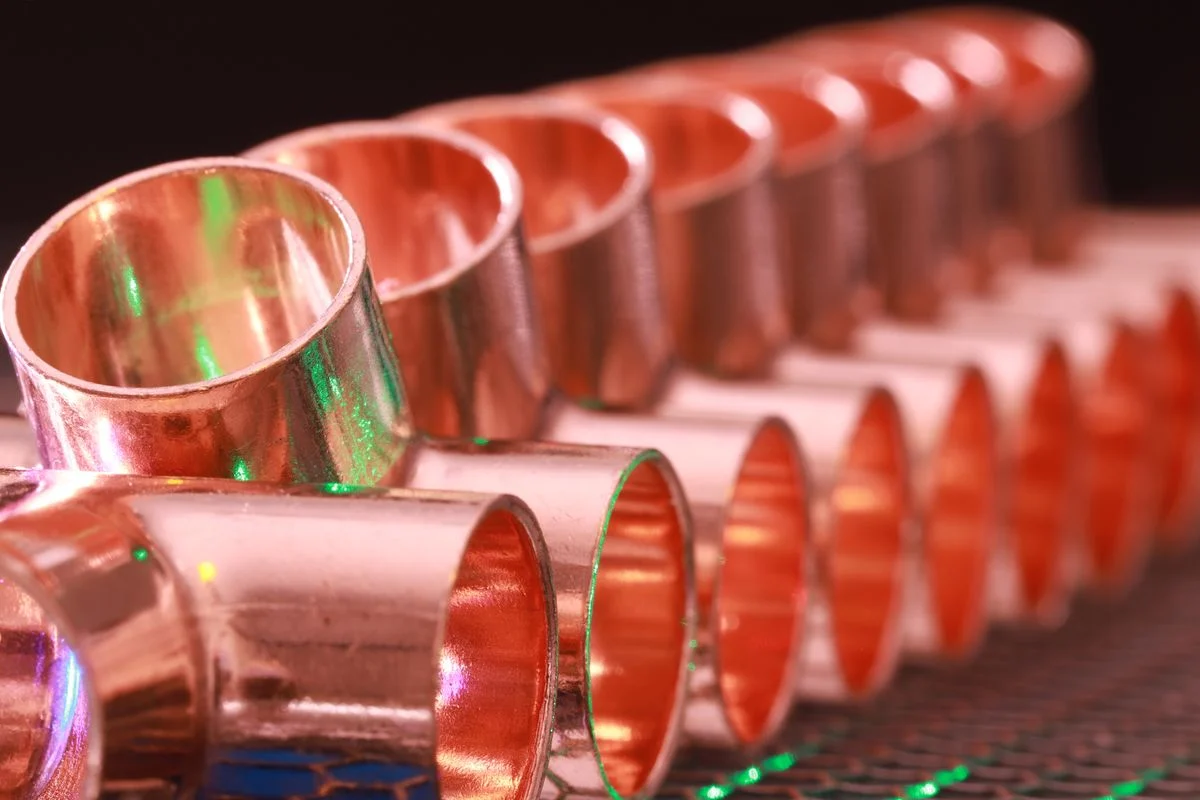
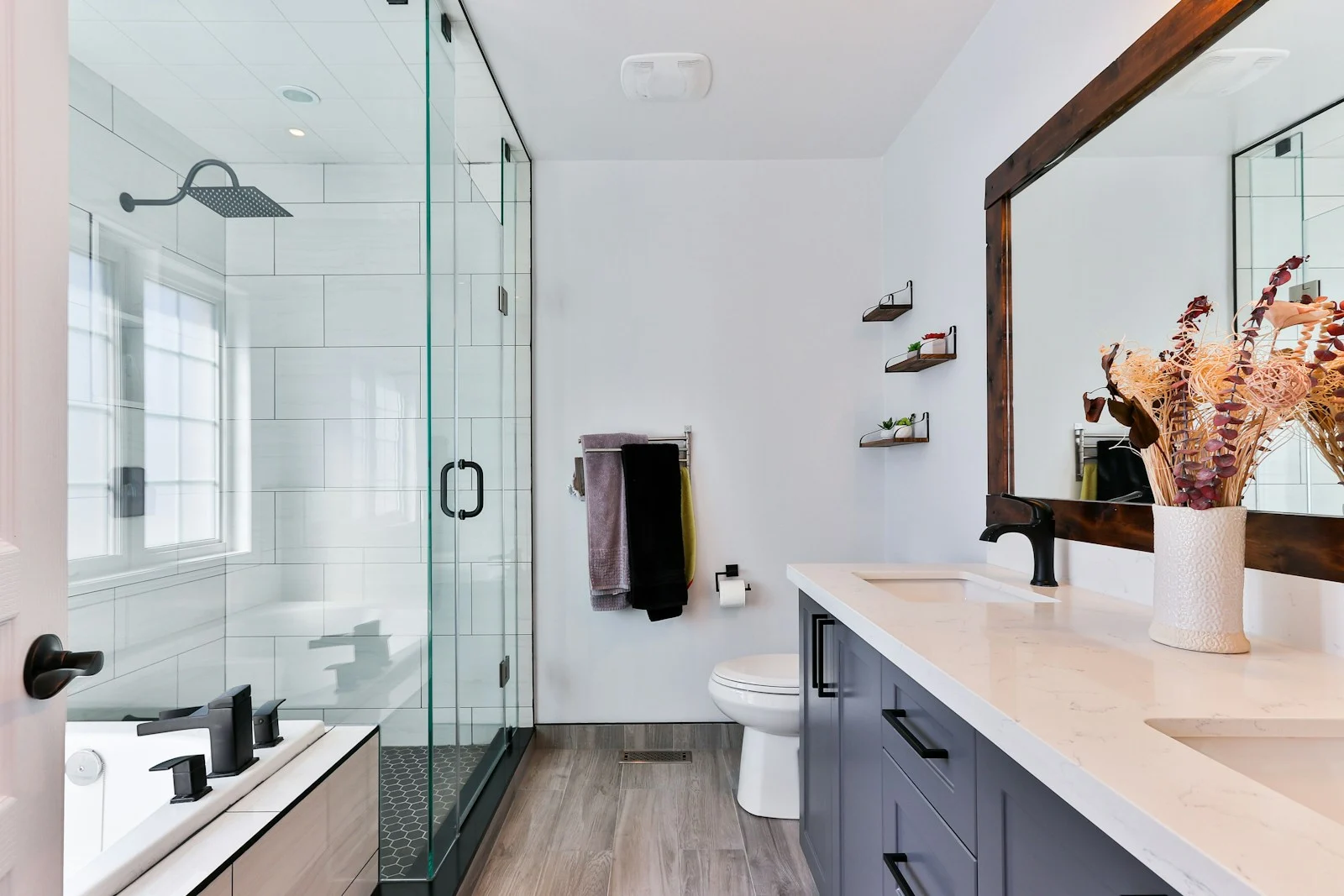
Installation photographs are illustrative stock images showing the kind of work described — not completed Bob’s Plumbing jobs.
What happens
next.
Here is how a repair visit would usually work.
-
Describe the problem
Where the water shows up, when it started, and anything you have already tried. A sentence or two is enough to start.
-
Agree the scope
What will be repaired or replaced, what it involves, and anything that could change once the work is opened up — agreed before tools come out.
-
Review the completed work
The repair is shown working at the end: joints under pressure, water running where it should, and the space left as it was found.
Before you
get in touch.
These answers can help you describe a problem. The plumber still needs to assess the fault and agree the work with you.
How should I describe a leak?
Note where the water shows, when it started and whether it is constant or only after showers or rain. A photo of the area helps. The exact cause still needs to be found in person — leaks often travel before they show.
Repair or replacement — which enquiry is right?
If one joint, one valve or one fitting has failed, ask for a repair. When the same part keeps failing, or a fitting is worn through, mention the history — a replacement enquiry starts with the pattern, not just the latest symptom.
What should I do before a visit?
Clear access to the stopcock, the problem area and any cupboards the pipes run through. Note anything that makes the symptom better or worse — running hot, flushing, or a machine draining — and follow the plumber’s instructions about the water supply. For an active leak, turn off the supply only if you can safely reach the shut-off valve; keep away from wet electrics.
What happens after I send the enquiry?
This page is a demonstration: the enquiry is previewed locally and nothing is sent. On a live site this step would be a conversation to agree the scope and timing of the visit.
Tell us what
is wrong.
Pick the closest service, add the details, and preview the request. Nothing is sent — this is a sample of how the enquiry would work.